
Testing your talent attraction strategy
Recruitment is among the most impactful stages of the employee life cycle, as it determines which individuals shape an organisation. Within recruitment, talent attraction plays a key role in deciding who enters the pipeline in the first place. For this reason, talent attraction strategies must be fair, evidence-based, and capable of identifying talent that contributes to organisational performance, culture, and diversity.
Yet, well-intentioned talent attraction strategies often fall short of their aim to appeal to candidates with diverse backgrounds, perspectives, and skills. The language used in a job application; the image on a job advert; or the values highlighted on a careers page may inadvertently keep certain candidates at bay. This is why talent attraction strategies need to be tested before they are deployed.
We learned this in 2025 through randomised controlled trials with two different organisations. One discovered that highlighting a current employee who was an ethnically diverse woman led to fewer applications from ethnically diverse women. Another found that making its diversity and inclusion-related employee value propositions front and centre reduced applications overall, including from candidates from diverse backgrounds. These findings feel obvious now, but challenge widely accepted talent attraction best practices. Read more about these trials below:
worley
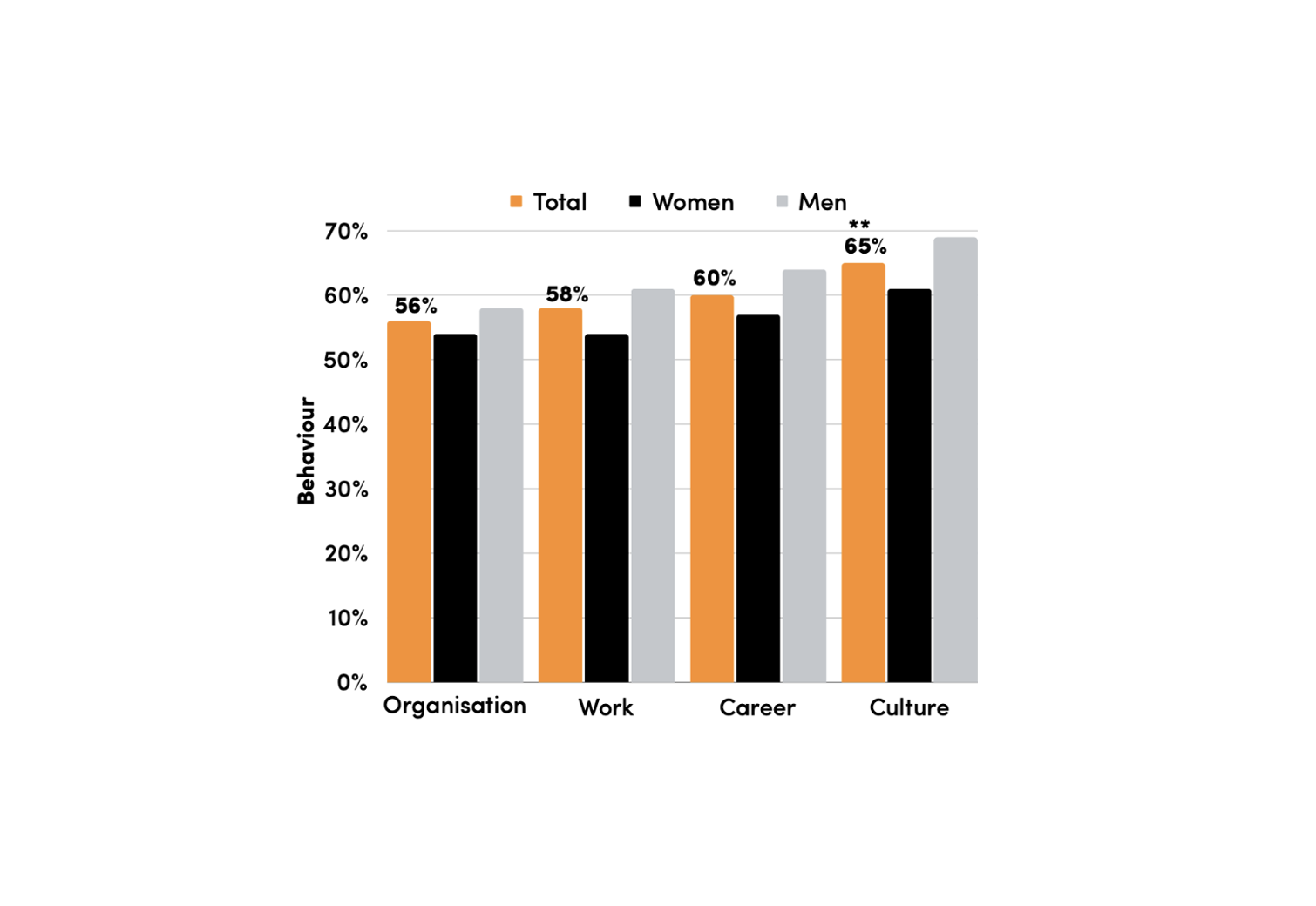
Worley, an engineering services company, began by testing their employee value proposition (EVP) with real job-seekers. They wanted to understand what EVP would be most appealing to job-seekers, with a focus on those from underrepresented backgrounds. We randomly allocated candidates to read one of four EVPs, stressing: organisational purpose; impact-driven work; career opportunities; or an energetic culture. Regardless of which of these EVPs job-seekers saw, they were also randomly allocated to see a message on flexibility as a core benefit and value at Worley. Though results were nuanced, highlighting an energetic culture and flexibility led to especially high job applications and positive sentiment toward Worley - among men and women alike.
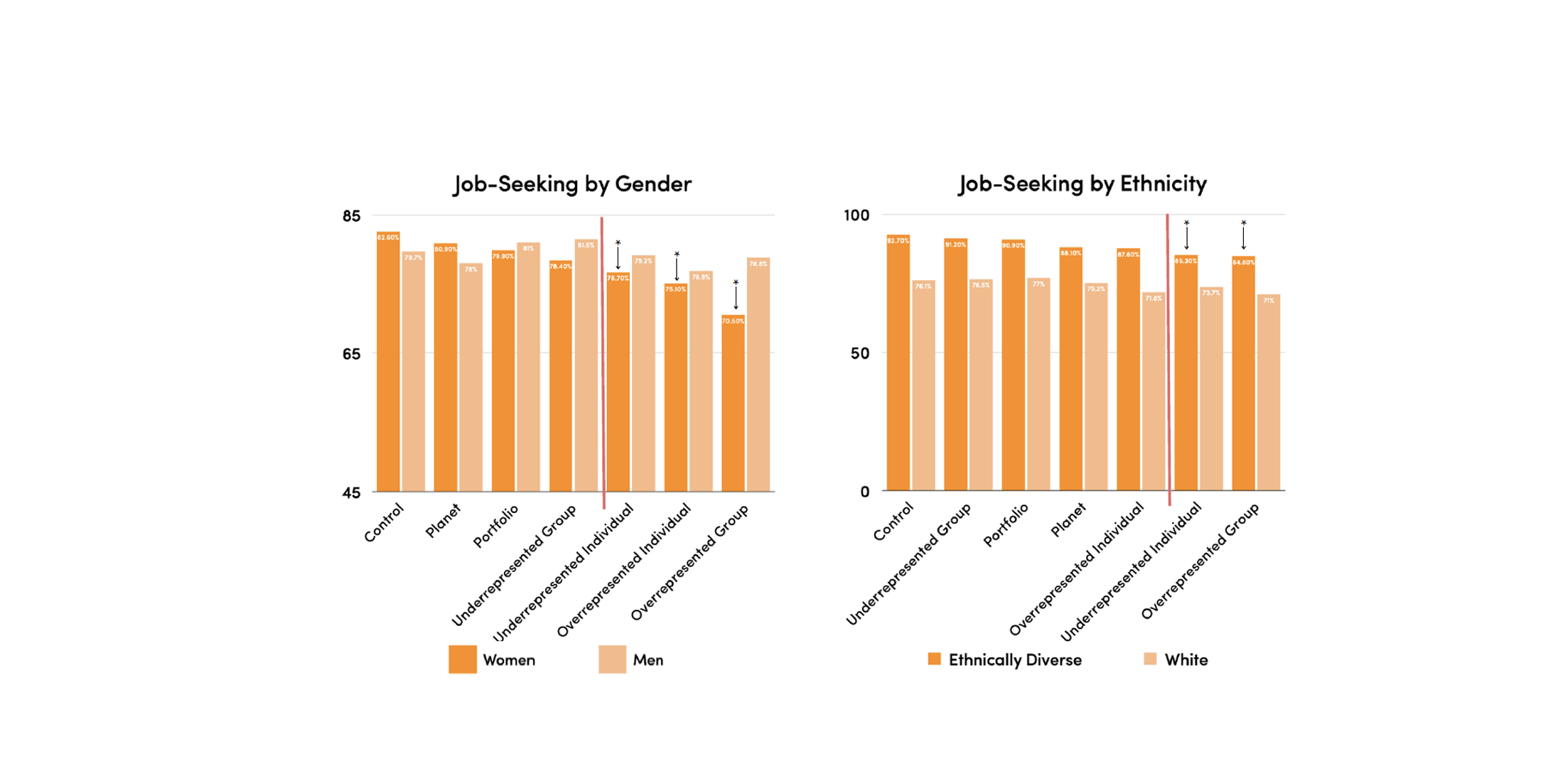
Worley is particularly advanced in harnessing experimentation to develop talent attraction practices. They knew that the EVP was only part of their brand: employer brand materials typically feature images. As their first build on the previous experiment, they set out to test the impact and appeal of six types of images against a minimalistic, text-based image highlighting their energetic culture. They tested images featuring an underrepresented individual (e.g., one Asian woman), a diverse group (e.g., a group featuring people from different backgrounds), an overrepresented individual (e.g., a white man), an overrepresented group (e.g., a group of white men), the planet (e.g., an aerial earth shot), or Worley’s projects (e.g., a rig). They found that while photos of underrepresented groups performed as well as the effective text-based, culture-focused language, photos of underrepresented individuals performed poorly. Our theory for this imagery’s underperformance is that candidates from underrepresented backgrounds might find this sort of image inauthentic, tokenistic, or performative. But of course - this was something we had to put to the test.
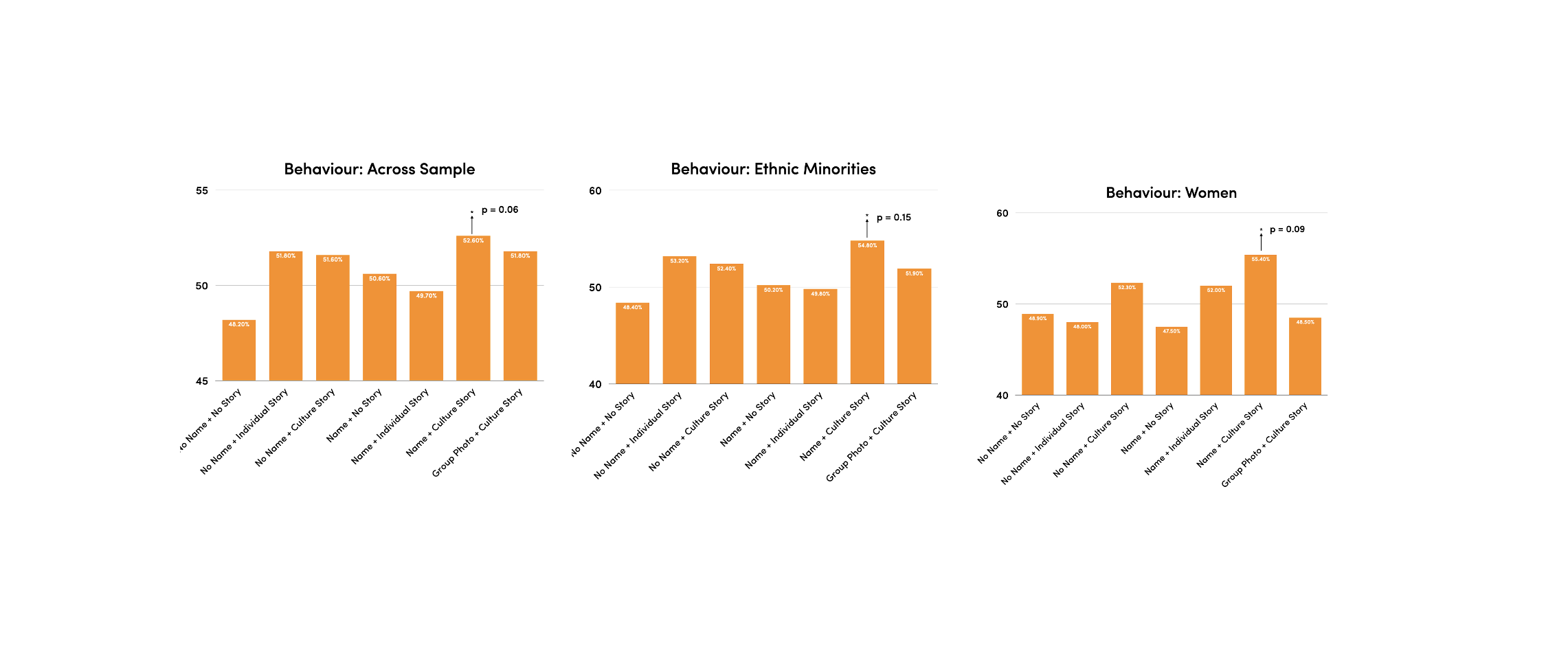
And, it was a potentially unrealistic recommendation to tell Worley not to feature photos of underrepresented individuals. So, as our final build, we set out to understand how to present a photo of an underrepresented individual in a way that mitigates concerns about authenticity. The specific features we introduced were identity (i.e., what happens when you name the individual in the photo?) and story (i.e., what happens when you bring the photographed employee’s experience to life?). We found that when you added both of those features, underrepresented individual imagery led to as much job-seeking behaviour as underrepresented group imagery, demonstrating a substantial reduction in backlash.
AstraZeneca
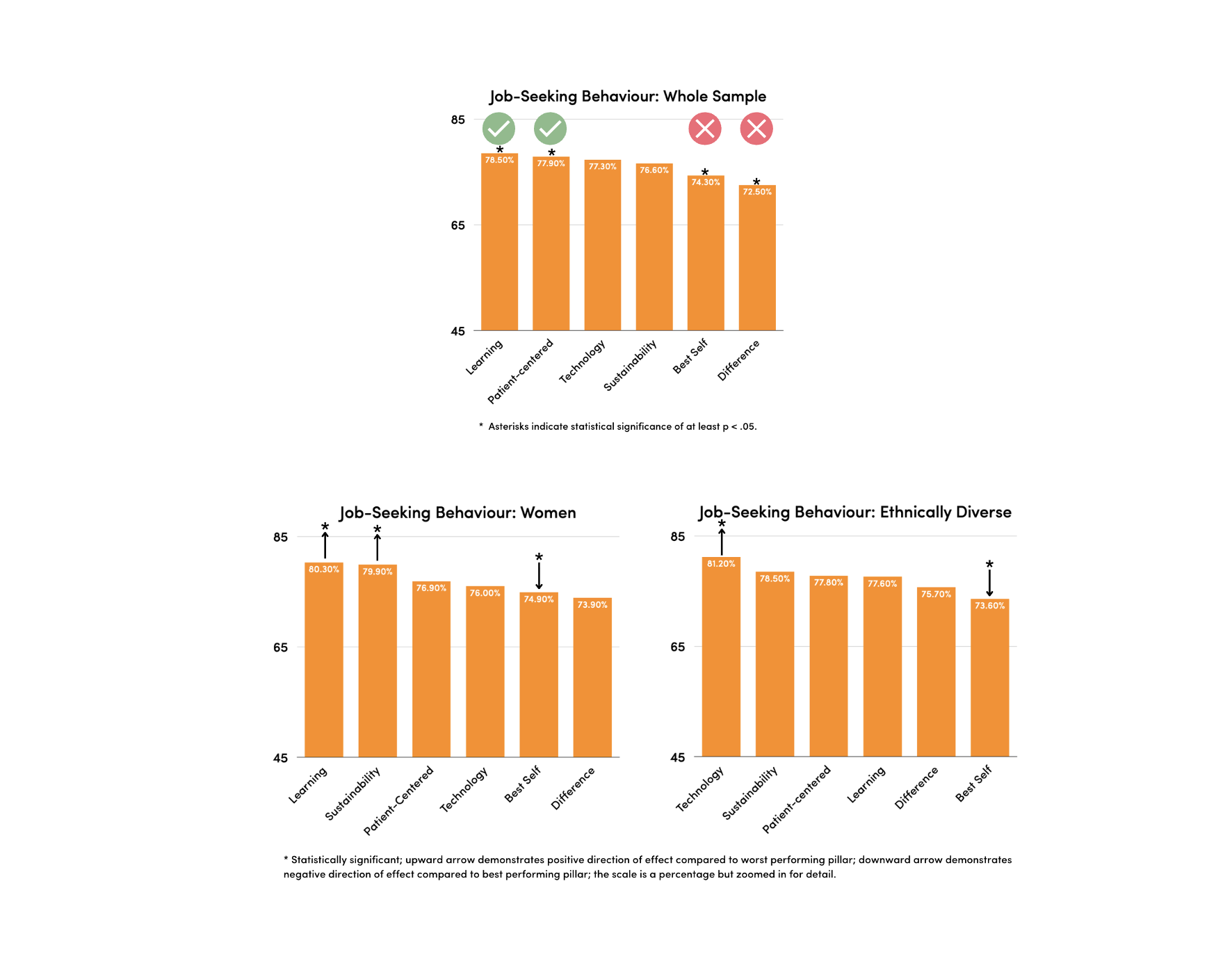
AstraZeneca came to us with six, already-developed talent attraction pillars. Recruiters would select one of these pillars to share with each job candidate, using their discretion about what the candidate would likely be drawn toward. But AstraZeneca wanted to ensure that the pillars that were shared would appeal to underrepresented candidates and would not inadvertently put them off applying. We tested pillars focused on learning and development opportunities; the patient-centric impact of the work; technological advancements embraced; sustainability practices; employees’ ability to be their best self; or the organisation’s encouragement of difference in background and perspective. What’s more interesting than the pillars that did attract candidates from all backgrounds (those that focused on learning and patient centricity) was those that didn’t: the pillars that were associated with diversity and inclusion. All candidates, and especially those from underrepresented backgrounds, didn’t like this facet of working at AstraZeneca to be featured front and center. This may be driven by a perception of inauthenticity, as we saw at Worley - or it may be that diversity and inclusion aren’t a strong enough draw for candidates.
In 2026, we have begun to cast a wider net by testing additional talent attraction practices in partnership with organisations. What and whose stories should employers tell to attract candidates? What language in a job advert draws in candidates exhibiting diversity of thought? How should an organisation communicate its AI policies to appeal to the highest-performing talent?
We’re looking for ten partner organisations to help answer these questions, and generate evidence on what truly works in talent attraction.